

Custom fit veneers are thin shells that cover the front surface of teeth, made to match the shape and color of your smile. Many people wonder whether upkeep is a chore or something you can handle with a few simple habits. This article walks through realistic steps for keeping custom fit veneers in good nick.
What Are Custom Fit Veneers?
Custom fit veneers are prosthetic shells bonded to teeth to mask chips, gaps, or discoloration while keeping a natural look. They are crafted from materials such as porcelain or composite resin and shaped to follow your tooth contours.
The custom aspect means the lab makes them to match color, size, and bite for a close fit. Good fit reduces movement and friction, which in turn helps with longevity.
If you’re thinking about trying removable options and want to see what real users have experienced, take a look at Shiny Smile Veneers reviews for firsthand insights.
Daily Cleaning Habits
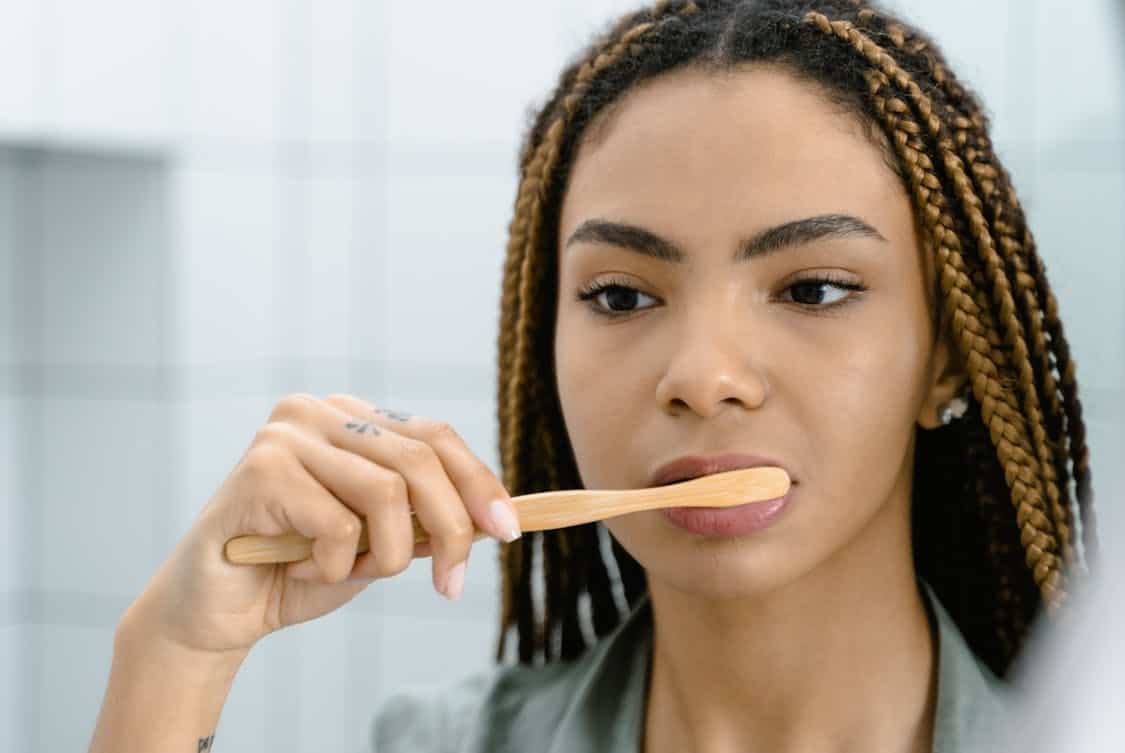
A routine for oral hygiene with veneers mirrors normal care but with a gentler touch to avoid abrasion to the veneer surface. Brushing twice a day with a soft-bristled brush and non-abrasive toothpaste keeps plaque in check while protecting the finish; firm scrubbing is counterproductive.
Flossing daily removes food and bacteria at the gum line where veneers meet natural tooth, and an interdental cleaner can be handy for tight spaces. Little habits, done often, prevent tiny problems from ballooning into bigger ones.
What To Watch For With Diet And Drinks
Certain foods and beverages can stain or wear down the edges of veneers if consumed frequently or left on the surface for long periods. Dark drinks like coffee or red wine, and acidic items such as citrus and soda, are the usual suspects; occasional enjoyment is fine, frequent binging is not.
Sipping water after a staining or acidic drink helps rinse residues and reduce contact time with the veneer surface. Treat veneers like glassware: handle with care and don’t use them as tools.
Handling Stains And Discoloration
Staining on porcelain veneers is less likely than on natural enamel, yet stains can still appear at the bonding margin or on composite materials. Professional polish or replacement of the thin outer layer can restore brightness if the surface is affected, and DIY whitening products rarely help with veneers.
Gentle cleaning with a paste recommended by a dentist will often remove surface films without harming the bond. If color mismatch becomes obvious, your clinician will guide whether resurfacing or a new veneer is the cleanest fix.
Protecting Veneers From Physical Damage
Veneers are durable but not indestructible; biting hard items or using teeth as tools risks chipping or fracture. Avoid chewing ice, pen caps, or similarly hard objects, and treat any nail-biting or tooth-grinding habit as a risk factor.
A custom night guard can shield veneers from clenching forces during sleep, saving a lot of trouble down the line. When sports are on the calendar, wear a mouthguard to guard both veneers and natural teeth.
When To Seek Professional Attention
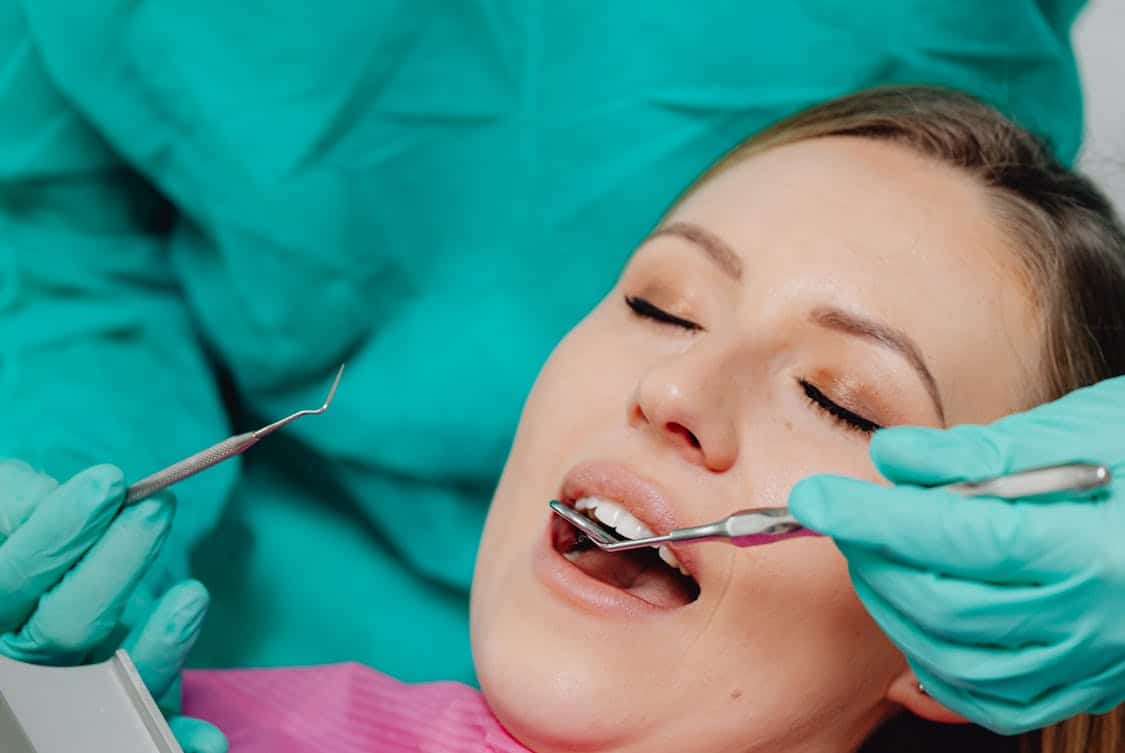
Regular dental checkups give the chance to catch small issues, like marginal leaks or tiny chips, before they grow into costly repairs. If you notice sensitivity, looseness, or visible gaps at the veneer edge, book an appointment sooner rather than later; delayed action can increase repair needs.
A clinician can re-polish, re-bond, or replace a veneer depending on the damage and material involved. Quick fixes often mean simpler procedures and lower bills.
Repair And Replacement Options
Minor chips in composite veneers may be smoothed or patched in a single visit, keeping restoration time and cost on the low side. Porcelain chips usually require a new veneer, since porcelain does not easily bond to repairs in the mouth.
If a veneer fails at the margin, re-bonding can work when the underlying tooth is healthy; when decay or damage exists, more extensive work is needed. Insurance coverage varies, so discuss repair options and likely costs with your dentist beforehand.
Choosing The Right Dental Team
A skilled clinician makes a big difference in how long veneers last and how easy they are to keep clean over time. Ask about their experience with the specific veneer material you prefer, and request examples of past work to get a realistic expectation of color and fit.
Communication during planning helps avoid surprises; be open about habits like grinding or high coffee intake so mitigation steps are part of the plan. A trusting, practical relationship with your dentist pays dividends in fewer hiccups and more predictable care.
Common Misconceptions About Veneer Maintenance
People sometimes think veneers are maintenance-free and can be ignored once placed, which is a recipe for disappointment down the line. Others assume whitening kits will change the veneer color, yet most at-home bleaches won’t affect porcelain and may alter surrounding natural teeth instead.
Some believe veneers last forever; realistic lifespan depends on material, oral habits, and follow-up care, so plan for periodic replacement several years out. Knowing what veneers can and cannot do helps set proper expectations and keeps surprises to a minimum.