


A stair can be a quiet backbone of interior flow or a bold focal point that sets tone for a whole home. Modern stair design tends to favor clarity of purpose, pared-down forms, and materials that read clean and honest rather than ornate.
When a stair reads as current it often balances visual lightness with structural intent, so that steps seem to float yet stand firm under use. The result is an object that feels fresh, useful, and smart in everyday life.
Clean Lines And Minimal Profiles
Clean lines form the first handshake with modern taste, where edges are sharp or gently chamfered and profiles stay uncluttered, letting form speak plainly. Minimalism here does not mean sterile; it means removing noise so the essential shapes and joints do their job and look good while doing it.
A stair with simple stringers, thin treads, and hidden fastenings tends to age well because the eye has fewer things to argue with. Less is more functions like a slogan, but when executed with care the effect is calming and pragmatic.
Material Choices That Speak Modern
Materials set the mood quickly: steel, glass, warm wood and concrete are common allies in modern stairs because each brings a clear character and honest finish. Steel offers thin structural members that free up visual volume, glass keeps sightlines open, wood adds temperate touch, and concrete grounds the composition with mass and texture.
Smart combinations — like a slim steel frame with wooden treads or a concrete core with glass balustrade — let designers play with contrast while keeping the palette restrained. The point is to let materials show what they can do, not to disguise them under layers of trim.
Light And Transparency
Light is a designer’s best tool for making stairs feel modern rather than bulky, as well-placed illumination and transparent elements reduce perceived weight. Glass balustrades or open risers allow daylight to pass through, preventing the stair from chopping up a room into visual chunks.
Integrated lighting beneath treads or along handrails can create a floating effect that reads as intentional, safe, and stylish all at once. When a stair welcomes light it tends to make the surrounding space feel larger and more connected.
Open Risers And Floating Steps
Open risers and cantilevered treads capture the imagination because they interrupt expectations about mass and gravity in a friendly way. Floating steps anchored in a wall or supported by slim brackets create dramatic sightlines without shouting for attention, letting the rest of the room breathe.
Structural honesty is key: the connections that hold those treads must be robust and visible enough that users feel secure even as the design flirts with weightlessness.
If you’re considering a striking, modern feature for your home, exploring floating stairs georgetown, texas can be an inspiring place to start, where craftsmanship meets contemporary form. When done right, these stairs are equal parts sculptural and usable.
Functional Simplicity And Ergonomics
A stair that looks modern must still serve its primary mission: safe, comfortable ascent and descent for every day and every age. Tread depth, rise height, and balustrade height are technical measures that control how natural a stair feels underfoot; tuning those numbers keeps the design from being merely pretty.
Ergonomic thinking can be stylish too, such as continuous handrails that flow with the stair or landings that double as casual seating. Form follows function in the best examples, giving users both practical comfort and visual reward.
Integrated Lighting And Subtle Tech
Subtle tech allies like LED strips, motion sensors, and low-voltage systems let a stair act as both conduit and cue in a home, signaling path and mood without fanfare. Lighting that responds to presence, or warm LEDs tucked under treads, adds a layer of user-friendly behavior that feels modern and thoughtful.
Wiring should be discreet and serviceable, tucked into channels or within structural members to keep surfaces clean and interruptions few. When technology earns its place by making daily life easier, it blends into design rather than shouting for attention.
Contrasting Textures And Color Blocks
A modern stair often uses contrast — smooth glass against raw concrete, or burnished metal against soft ash — to create interest without ornament. Color can be used sparingly and with purpose, a single dark tread or painted stringer that sets rhythm and anchors sightlines.
Texture differences catch light and guide hands and feet, giving tactile cues that enhance safe movement and comfort. Such contrasts act like small poems within the stair, brief moments that reward a second look without overpowering the scene.
Hidden Storage And Multipurpose Steps
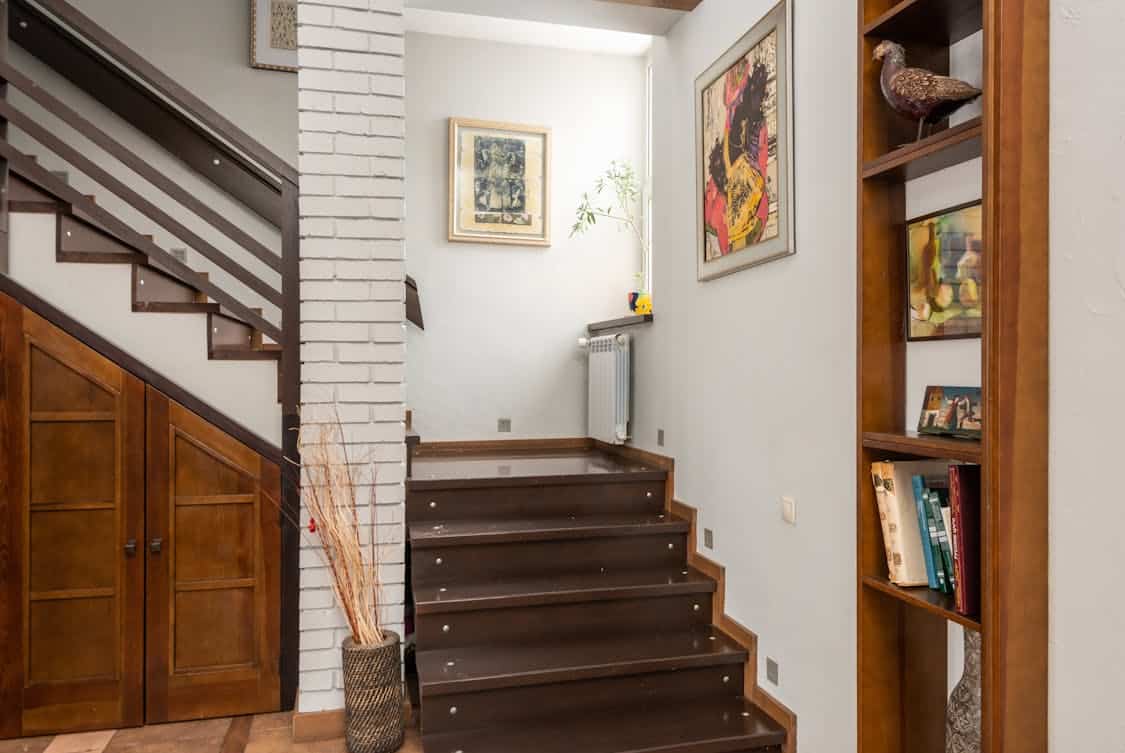
Integrating storage or utility into stair design answers a modern need for efficient use of space while keeping the look neat and tidy. Drawers under treads, a cupboard tucked into a landing, or widened lower steps that double as seating make the stair more than a connector — they make it work harder on everyday tasks.
The trick is to keep operation seamless: hardware that runs silently and access that feels natural preserves the clean aesthetic. Utility that does not shout about itself is a smart move for modern interiors.
Safety, Codes And Practical Durability
Modern style must be married to safe practice and long life; neat details and daring forms have to meet code and stand up to traffic without fuss. Durable finishes, non-slip surfaces, and structurally proven connections ensure the stair keeps performing for years without frequent repair.
Compliance with local building rules may shape dimensions or guardrail heights, but smart design integrates those limits into the look so nothing appears tacked on. The best modern stairs look effortless because the hard work of engineering and planning sits quietly behind the scenes.
Craft, Joinery And The Human Touch
Even in a pared-down scheme, craft and careful joinery give a stair soul, creating subtle seams and connections that reward inspection. Precision in welds, miters, and the meeting of materials makes clear that thought and hand were involved, which helps modern designs feel grounded rather than mass-produced.
Small imperfections tolerated by the eye — natural grain variations in wood, a faint tool mark — can humanize a very clean composition and stop it from feeling cold. Good craft is the quiet signature that keeps a modern stair both sharp and approachable.