

Manta rays are graceful giants that turn a night or day at sea into something you will not forget. A few well chosen items make the time in the water smoother, safer and more fun for everyone.
For travelers seeking a unique experience, a manta ray night snorkel kona offers an unforgettable chance to see these gentle creatures under the stars in a safe, guided setting.
Thoughtful preparation reduces fuss and lets you focus on the show those winged swimmers put on under the waves. Pack with care and you will find that small choices make a big difference.
1. A Properly Fitting Mask
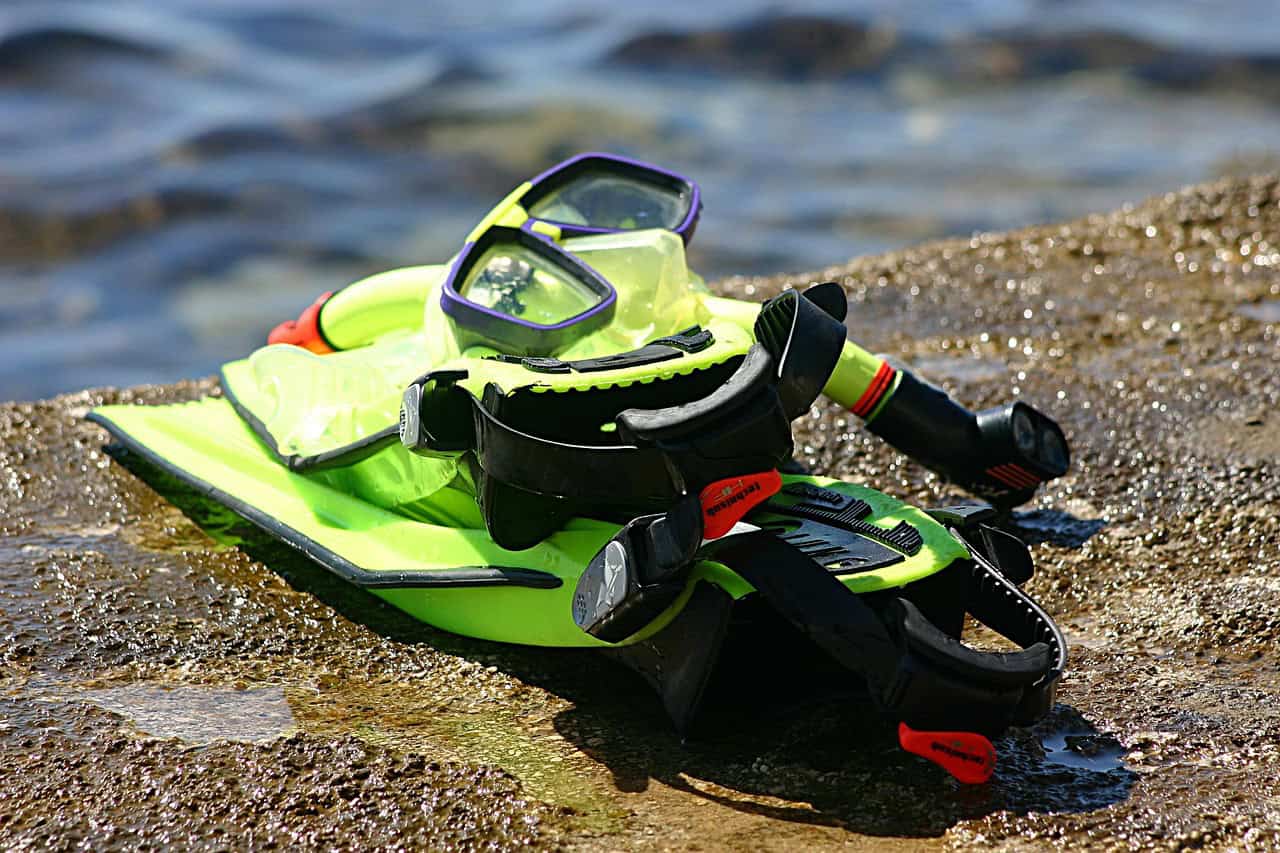
A mask that seals well and sits comfortably on your face is the difference between long moments of wonder and constant clearing. Look for tempered glass lenses and a silicone skirt that bends without pinching, since a soft skirt gives a reliable seal and less face fatigue over time.
Straps that are easy to adjust while on the boat will save precious minutes and stop frustration from creeping in. A simple anti fog treatment or paste applied before entering the water will keep your view clear and reduce interruptions.
Leaks are the mask user enemy and a little practice helps you handle them like an old salt. Try the mask on land and give it a gentle inhale to feel the suction and check for fit, then rinse and adjust before ever entering the water.
Small issues can be fixed with a bit of hair tucked under the seal or by trimming stray strap ends. When you get the right fit the rest of the trip flows easier and you will get close up views without constantly fussing.
2. A Comfortable Snorkel With Splash Guard
A snorkel that sits in the right place and keeps water out lets you concentrate on what matters beyond the surface. A top with a splash guard or a valve helps cut down on surface spray and unexpected gulps while you watch mantas glide below.
Choose a mouthpiece molded from soft silicone so your jaw will not ache after long periods, and pick a model with a purge valve for quick clearing when a stray wave sneaks in. Try it in calm water first to build a bit of confidence before you head into wilder patches.
A good snorkel helps you manage breathing rhythm and stay relaxed, and that calmness attracts better encounters with shy wildlife. Practice breathing through the tube while floating face down and learn to clear it with a short blast from your lungs so water moves out and you can keep watching.
A spare snorkel in your kit is a small comfort that can save time should one get mislaid. With a reliable snorkel you spend less time fussing and more time under the spell of slow moving mantas.
3. Sturdy Fins That Offer Precision

Fins are the engine that places you where the action is and allows gentle maneuvers without flapping wildly. Choose fins that match your swimming style and strength, since a stiff fin gives power in open water while a softer model offers finer control for close approaches.
A good fit at the foot pocket helps avoid blisters and keeps you from wasting energy on sloppy kicks, so test them with socks or booties if you will be wearing any. Remember that efficient kicks are short and controlled rather than long and frantic, so pick gear that supports that technique.
Two types of fin styles work for most people and both have benefits worth weighing before you set out. Full foot fins are light and efficient in warm conditions while open heel fins with straps are great when you wear neoprene boots for cooler nights or rough boat decks.
Whichever you choose, bring straps that are easy to work with and a small repair kit for quick fixes. With the right pair you will move like a shadow under the surface and catch the mantas without fuss.
4. Wetsuit Or Rash Guard For Comfort
A thin wetsuit or a sturdy rash guard protects your skin from cool water, sun, and small scrapes when you handle a boat or float near a rocky shoreline. Thermal protection helps you stay in the water longer and keeps your muscles from cramping up during slow moving swims.
Pick a fit that allows freedom of movement in the shoulders so you can turn your head and look around without restriction. Breathable fabrics on the surface of the suit help water drain and dry while on the deck of the boat.
Sun protection matters when the sun bakes the boat deck and the glare off the waves is relentless, so high SPF sunscreen and a long sleeve layer are smart partners to any suit.
Quick drying materials make it easier to change and stay comfortable between sessions, and small practical additions such as reinforced seams or a zipper with a secure pull make for fewer wardrobe problems.
Bring a full changing towel and a warm top for the return trip so you do not shiver on the way home. A comfortable core keeps your attention on the mantas and not on what you are wearing.
5. Underwater Camera And Lighting
Capturing mantas in motion calls for a wide field of view, steady hands and a memory card that will not run out mid encounter. An action camera with a wide lens and a waterproof housing will take care of most scenarios and still fit into a small bag.
Add a bright video light for low light sessions and a red filter for color correction when you are deeper or on a night outing, because colors drop away quickly under the surface. Bring spare batteries and a few cleaning cloths, since power and clarity vanish faster than you think.
Photos and footage are great for sharing memories and for learning about the animals you meet, but the best shots start with a patient approach and slow breathing. Aim to move with purpose and keep a respectful distance so mantas feel free to circle and perform without stress.
Small accessories such as a quick release mount and a float strap can make life easier on a rocking boat and save you a heart stopping moment. When the camera behaves you can have both a gallery and a story to tell later.