

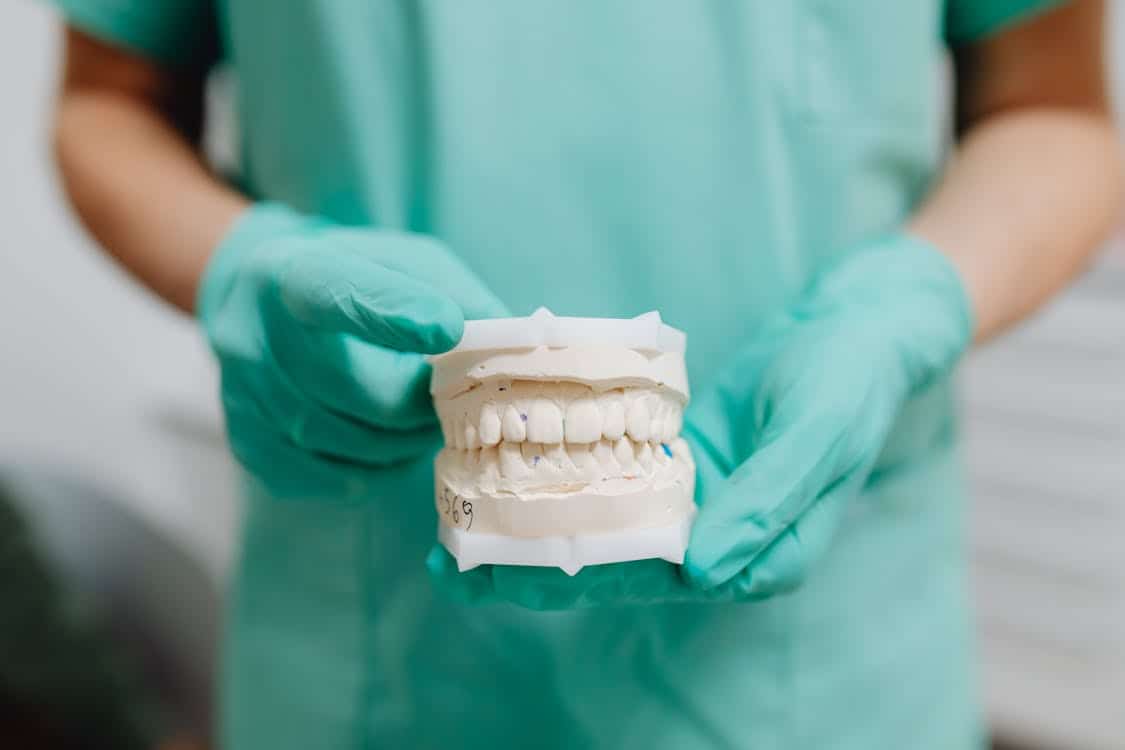
Missing teeth change how a person eats, speaks and smiles. Choosing between dental implants and dentures matters for daily comfort and long term oral health.
Both paths restore function and look, yet they do so in very different ways with distinct trade offs. Clear comparison helps someone weigh options and choose a route that fits personal needs.
How Dental Implants Work
Dental implants start with a titanium post placed into the jaw where the tooth root used to be, acting as a sturdy anchor for a crown. Over a period of months the bone bonds with the post in a process that gives the new tooth a grip much like a natural root.
Once healed, a crafted crown is attached and the tooth looks and behaves in ways that most people call near natural. Considering the advantages, the pros of getting dental implants become clear as they offer a long-lasting solution with a look and feel almost identical to natural teeth.
How Dentures Work
Dentures replace missing teeth with prosthetic sets that rest on the gums and are held in place with suction or paste in the upper jaw and clasps or adhesives in the lower. They can replace a single arch or both and are made from acrylic or other tooth like materials that mimic enamel and gum tissue.
Dentures are removable which makes cleaning straightforward and avoids surgical steps for people who would rather not have an operation. Many wearers find modern dentures are comfortable enough, yet they require regular adjustments to stay well fitting as the mouth changes.
Comfort And Function
Implants offer chewing power that often mirrors natural teeth allowing users to bite into an apple or chew tougher foods without fear. Over time the jaw bone supports the implant and the fit does not loosen, so speaking and eating tend to stay stable rather than shifting during a meal.
Dentures restore much of the ability to eat a varied diet but they can slip or cause sore spots and people may need time to adapt their speech. For many the difference between a fixed tooth and a removable plate is the line between feeling secure and having to be cautious.
Aesthetics And Confidence
Implant crowns are made to match the size, color and shape of surrounding teeth and they sit at the gum level like natural teeth, which often boosts self confidence quickly. Because implants do not cover the palate or rely on visible clasps for support, many smiles look less artificial and more seamless with implants in place.
Dentures have improved in terms of realism and can produce beautiful results, yet they may sometimes look bulky or show slight movement that draws attention. People who want a smile that behaves like natural teeth frequently point to implants as the closer match.
Oral Health And Bone Preservation
One major advantage of implants is their interaction with the jaw bone where the presence of a post stimulates bone and helps slow or stop the bone loss that follows tooth removal. Preserving bone means better facial support over years and a lower chance of sunken cheeks that can age a person prematurely.
Dentures sit on top of the gums and do not restore the missing stimulation, which often leads to gradual shrinkage of the jaw and the need for refitting or new prosthetics. For people worried about the long term shape of their face, the bone friendly nature of implants is an important point to weigh.
Maintenance And Daily Care
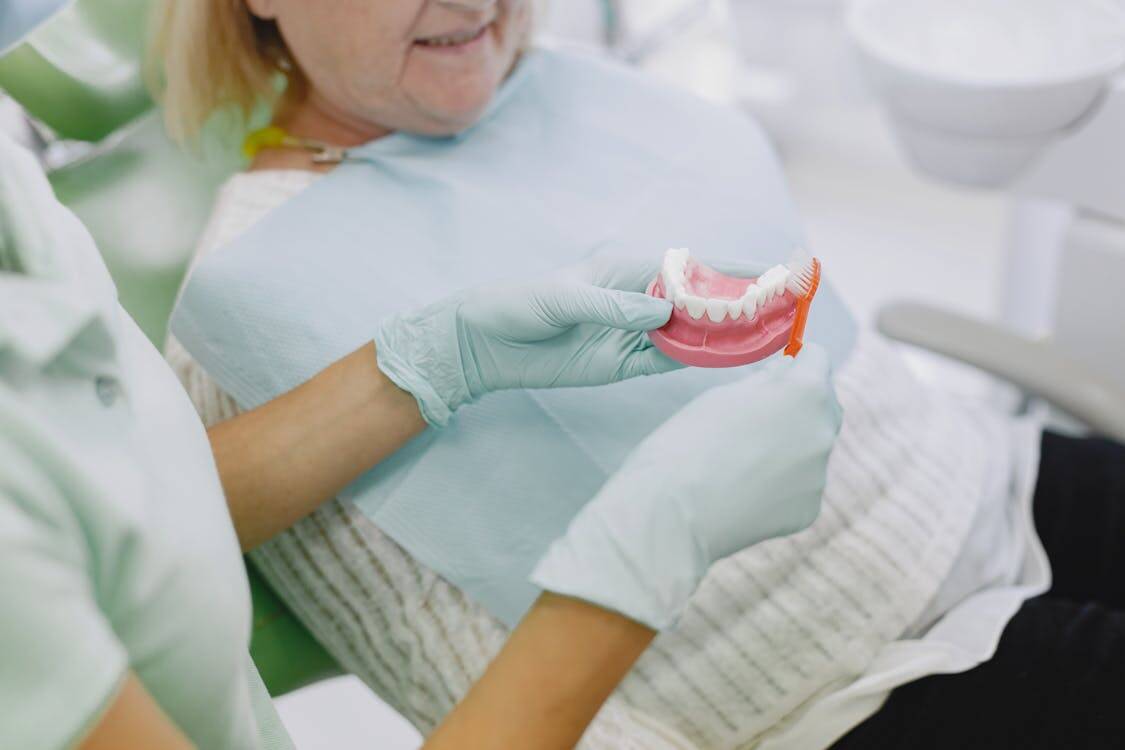
Caring for implants looks a lot like caring for natural teeth with regular brushing, flossing around the crown and routine dental visits to check the surrounding gum and bone. Dentures require daily removal for cleaning, soaking in a cleansing solution and gentle brushing to remove plaque and food particles from all surfaces.
Over time dentures often need rebasing or replacement to match changes in the gum and bone, which means additional visits and costs. Both options need consistent attention, yet the type of daily ritual differs in ways that affect convenience and personal schedule.
Cost And Long Term Value
Up front implant treatment tends to cost more per tooth than dentures because of the surgical steps, materials and laboratory work involved in making crowns that fit precisely. As time passes dentures may need more frequent replacement or adjustment and the cumulative expense can narrow the gap with implants, which often last for many years when well cared for.
For someone planning ahead the initial investment in implants is frequently described as an investment in a more permanent and low hassle solution. Budget and financial planning play a large role in any decision and payment options from a dental office can make a big difference.
Surgical And Healing Process
Placing an implant requires a surgical procedure and a healing interval where bone and tissue integrate around the post, which can mean several months before the final crown is attached. During healing patients follow a list of precautions and attend follow up visits to monitor progress and make sure the site stays healthy.
Dentures typically involve fewer or no surgical steps and the timeline from impression to final set is much shorter, offering a quicker path to restored teeth. People with medical conditions that affect healing sometimes choose the less invasive route, while others accept surgery for the long term benefits.
Timeframe For Treatment
Getting an implant from start to finish often spans several months when placement, healing and final restoration are all counted, and timelines can change with bone grafting or other preparatory work. Dentures often move from mold to finished prosthetic in a matter of weeks and temporary sets can be used immediately after extractions so the patient is never without teeth.
The longer implant timeline rewards patience with stability and bone preservation, while the speed of dentures appeals when immediate restoration is a priority. A person juggling family, work and care obligations may weigh how treatment length fits into daily life.
Who Is A Candidate
Good candidates for implants are people with sufficient jaw bone and healthy gums, along with general health that supports healing and the ability to attend follow up care. Dentures offer a practical route for people who lack bone or who prefer to avoid surgery and they can be tailored to many mouth shapes and budgets.
Age is not always the main factor; mouth health and medical history play the greater role in determining the safest and most effective path. A frank chat with a dental professional helps map the options to personal health, timeline and what a person values most in a replacement tooth.