

Smart homes now expect cooling systems that do much more than switch on and off. Intelligent air conditioning can manage comfort, cut energy waste and keep indoor air healthier with little day to day fuss.
Home owners gain peace of mind when systems learn routines, react to changing conditions and give clear feedback about performance. Picking the right features makes life easier and keeps utility bills in better check.
Smart Thermostat Integration
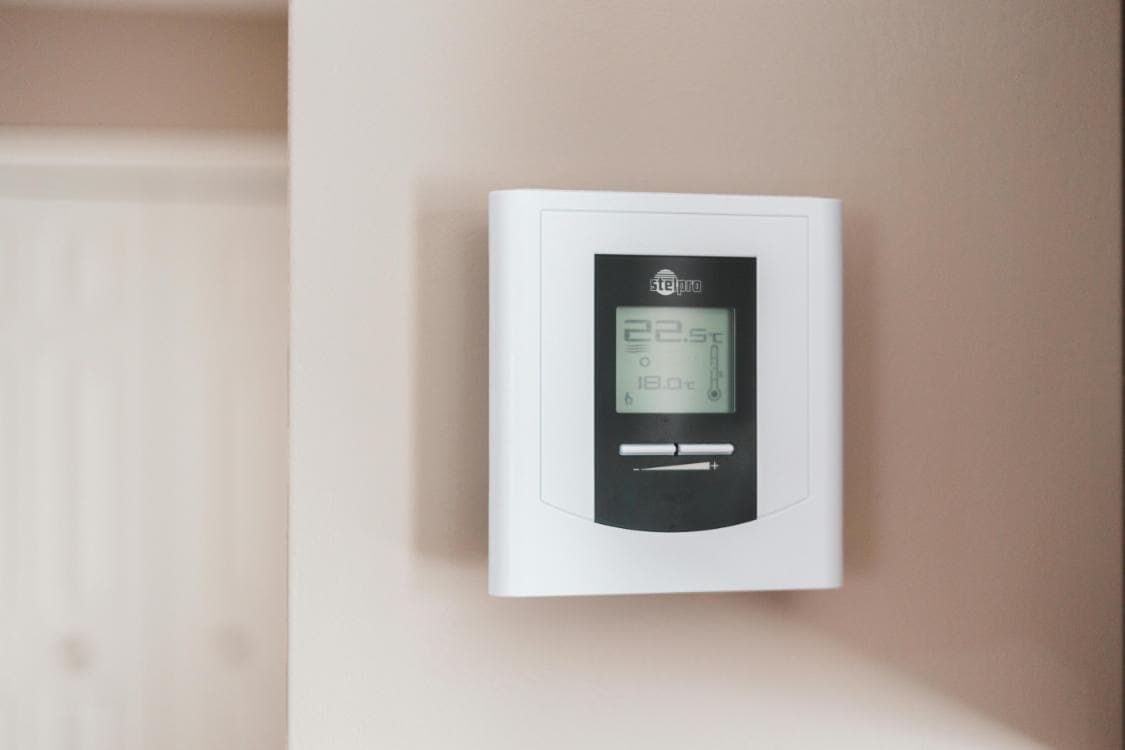
A smart thermostat serves as the central brain for an air conditioning setup, learning patterns and adjusting set points to match how people live and sleep.
Tight integration with the AC allows faster responses to sudden heat gains and reduces needless compressor cycles by matching demand more closely to actual needs.
Many thermostats include adaptive learning, remote control and simple scheduling that reduces manual input while keeping comfort steady through the day. Over time the system smooths temperature swings and often reduces month to month energy use.
Zoned Climate Control
Zoned control divides a house into independently managed areas so living rooms, bedrooms and workspaces can each receive tailored cooling.
Dampers, multiple sensors and separate thermostats make it possible to keep distinct parts of the home at different set points without running the whole system harder than necessary.
For complex installations or older homes, consulting Efficient Pure Plumbing professionals can ensure ductwork, valves, and zone controls integrate seamlessly with the system.
This approach cuts waste when some rooms sit empty and improves comfort when daily routines differ among residents. Installers map zones to real world patterns so the system works with how people actually move through the space.
Energy Monitoring And Reporting
Real time energy monitoring turns appliance run time and electrical draw into clear charts and summaries that highlight when the compressor runs most and what that costs.
Visual reports and simple alerts help owners spot unusual spikes in usage and take corrective steps such as changing filters or tweaking schedules.
Some systems can reference utility pricing and shift heavy cycles into lower rate periods for savings during the month. Seeing a trend over several weeks encourages small adjustments that add up into measurable savings.
Voice Assistant Compatibility
Voice control brings hands free convenience that many people find natural in busy households, allowing short commands to change set points or start a boost cooling period.
Compatibility with popular voice platforms makes it easy to repeat the same phrases across rooms and devices without digging for a phone.
Commands can trigger multi device actions, for example lowering temperature and turning on a fan with a single phrase when coming inside. For homeowners who like simplicity, spoken controls reduce friction and speed common tasks.
Remote Access And Scheduling
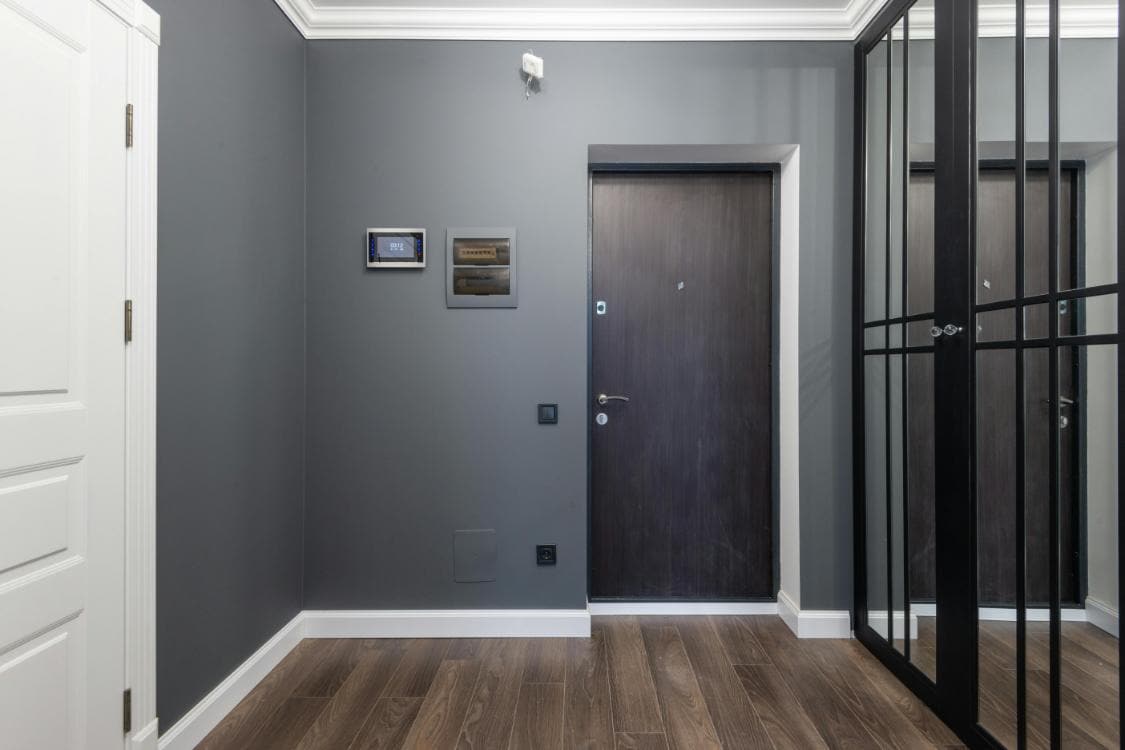
Remote access provides control while away so a cool interior greets occupants on return and emergency issues can be checked from anywhere.
Mobile applications offer timers, vacation modes and temporary access for guests or service personnel with clear limits on what they can change.
Scheduling tools handle weekly habits while allowing quick overrides that preserve long term preferences when needed. The flexibility reduces pointless runtime and returns comfort when life requires it.
Predictive Maintenance And Alerts
Predictive maintenance uses sensor streams to identify subtle changes in vibration, current draw and temperature that often precede component failure or refrigerant loss.
Early alerts let technicians arrive with the right parts and a clearer diagnosis instead of troubleshooting on site, which cuts downtime and repair costs.
Many controllers flag filter saturation, fan bearing wear and unusual compressor cycles so small fixes happen before major repairs. Acting on these signals keeps performance steady and extends equipment life.
Air Quality Sensing And Filtration
Air quality sensors measure particulate levels, volatile organic compounds and relative humidity to provide a fuller picture of indoor health conditions.
Filtration systems that link to those sensors can increase clean air cycles or switch to higher efficiency media when pollution spikes outside or when cooking stirs up particulates.
For people with allergies the effect is tangible because fewer airborne particles often mean fewer symptom days and better sleep. Combining sensing with control creates a system that works quietly in the background to maintain healthier breathing zones.
Adaptive Learning And Usage Patterns
Adaptive controllers build a model of household habits and then refine settings so daily routines require fewer manual adjustments while keeping power in check.
The system might learn to pre cool an upstairs bedroom in the morning or to hold a warmer set point when the house is typically empty for hours at a time.
Over a few weeks algorithms smooth out odd timing and reduce unnecessary run time, making the operation feel more hands off for occupants. Limits remain, and owners should review suggested changes when schedules shift widely.
Quiet Operation And Vibration Control
Noise and vibration matter when a home doubles as an office or a restful bedroom space, and modern designs emphasize low sound signatures and mechanical isolation.
Manufacturers focus on compressor cycling patterns, fan blade geometry and soft mountings to isolate structure born vibration and keep SPL ratings low.
Lower ambient sound makes it practical to run conditioning overnight without disturbing light sleepers or remote workers on calls. Choosing components with measured sound performance and proven isolation techniques helps a house remain calm even when the system works hard.
Integration With Home Automation Platforms
Open protocols and standard connectors allow air conditioning units to join broader automation systems and coordinate with lighting, blinds and security states.
That joint operation supports scenes where a single command prepares several subsystems for welcome home comfort or a quiet movie evening with adjusted climate and dimmed lights.
Routines can temporarily pause cooling during intense cooking to avoid catching kitchen heat and then recover automatically when the load drops. Better interoperability reduces app overload and makes unified control feel more like a single household habit.