

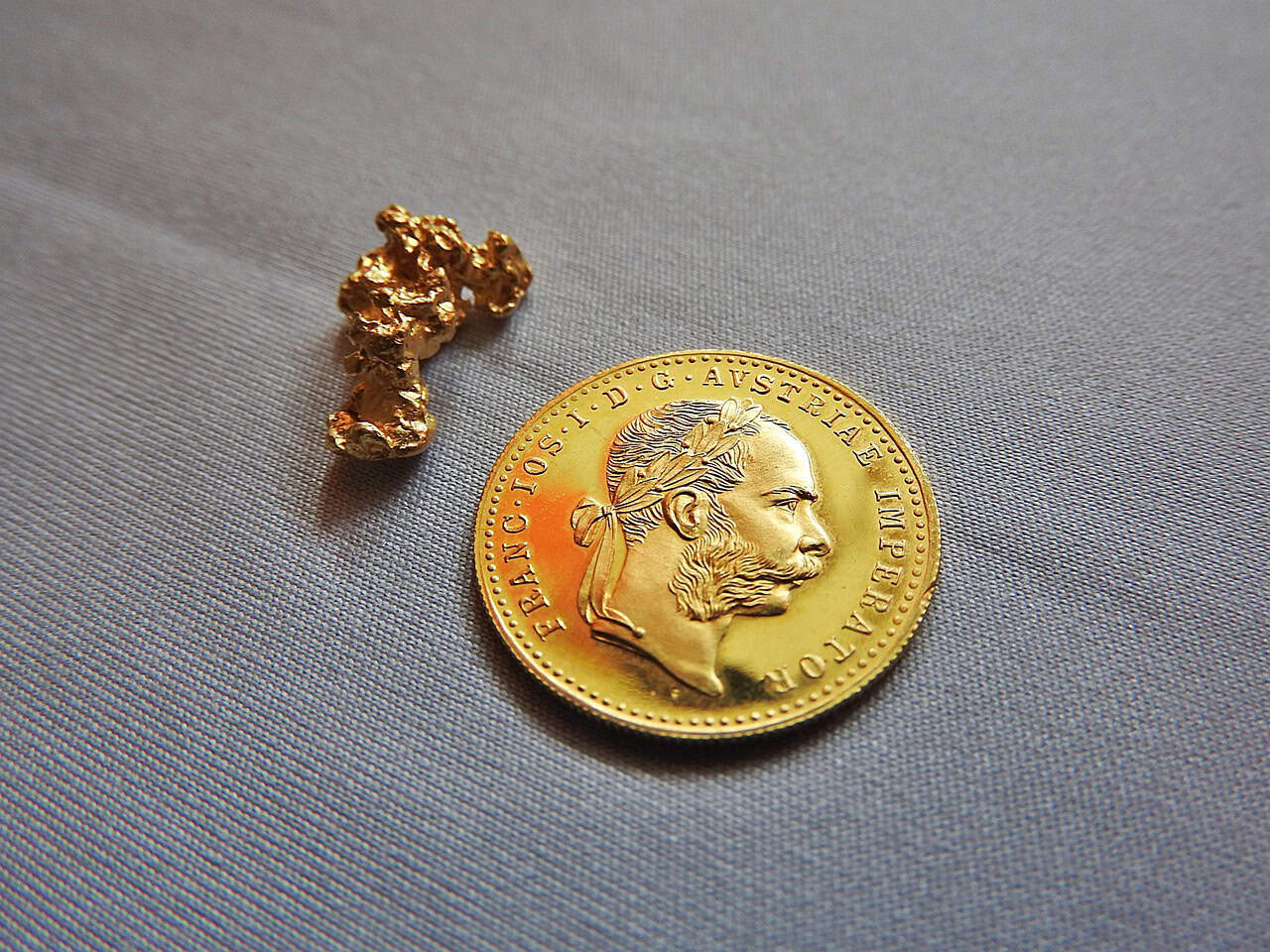
For centuries, gold has been a symbol of prosperity and influence. As we look to the future, various indicators suggest that gold prices are primed for a significant increase.
If you’re considering investing, now might be the time to take a closer look at this timeless asset.
Current Economic Climate
The economic landscape is shifting, and with it, the factors that influence gold prices. Inflation rates have surged in many countries, eroding purchasing power and prompting investors to seek refuge in gold.
Historically, gold serves as a hedge against inflation, making it an appealing option during turbulent economic times.
Central banks around the world have been increasing their gold reserves. This trend suggests a collective belief in gold’s long-term value.
When central banks buy gold, they often signal confidence in its future stability. Investors tend to follow suit, driving demand and pushing prices higher.
If you’re looking for a reliable source to begin your gold investment journey, Money Metals offers a wide range of options to help you navigate this growing market.
Geopolitical Uncertainty
Unforeseen global events can substantially impact markets, often leading investors to flock to gold. Recent geopolitical tensions, ranging from trade disputes to military conflicts, create an environment of uncertainty.
In uncertain times, gold shines as a safe haven. Investors often prioritize stability over risk, making gold an attractive alternative.
Political instability can result in currency devaluation. As people lose faith in their national currencies, they often turn to gold as a reliable store of value. This shift can lead to increased demand, driving prices upward.
Supply Chain Challenges
The mining and production of gold face various challenges that could affect supply. Many mines are operating at reduced capacities due to labor shortages and environmental regulations.
Moreover, new discoveries of gold deposits have become increasingly rare. When supply tightens and demand rises, prices typically respond accordingly.
Gold mining operations can be susceptible to political and environmental factors. Countries rich in gold may impose stricter regulations or face civil unrest, complicating the extraction process. A diminishing supply combined with rising demand sets the stage for price increases.
Emerging Markets and Growing Demand
Emerging markets, particularly in Asia, are experiencing a growing appetite for gold. As middle classes expand in countries like India and China, more individuals are turning to gold for both investment and cultural reasons. This trend is expected to continue, thereby increasing global demand.
Gold jewelry, a significant driver of demand, remains popular in many cultures. Festivals and weddings often see a spike in gold purchases, further supporting price increases. With millions seeking to acquire gold, the market is likely to experience upward pressure.
Inflation and Currency Devaluation
Inflation is a double-edged sword. While it erodes the value of money, it simultaneously increases the attractiveness of stable assets like gold. As inflation persists, many individuals and institutions turn to gold to preserve value.
In many economies, central banks have resorted to printing more money to combat economic downturns. This approach can lead to currency devaluation.
When currencies lose purchasing power, gold provides a reliable alternative. Investors tend to favor gold to safeguard their wealth against inflationary pressures.
Historical Trends in Gold Prices
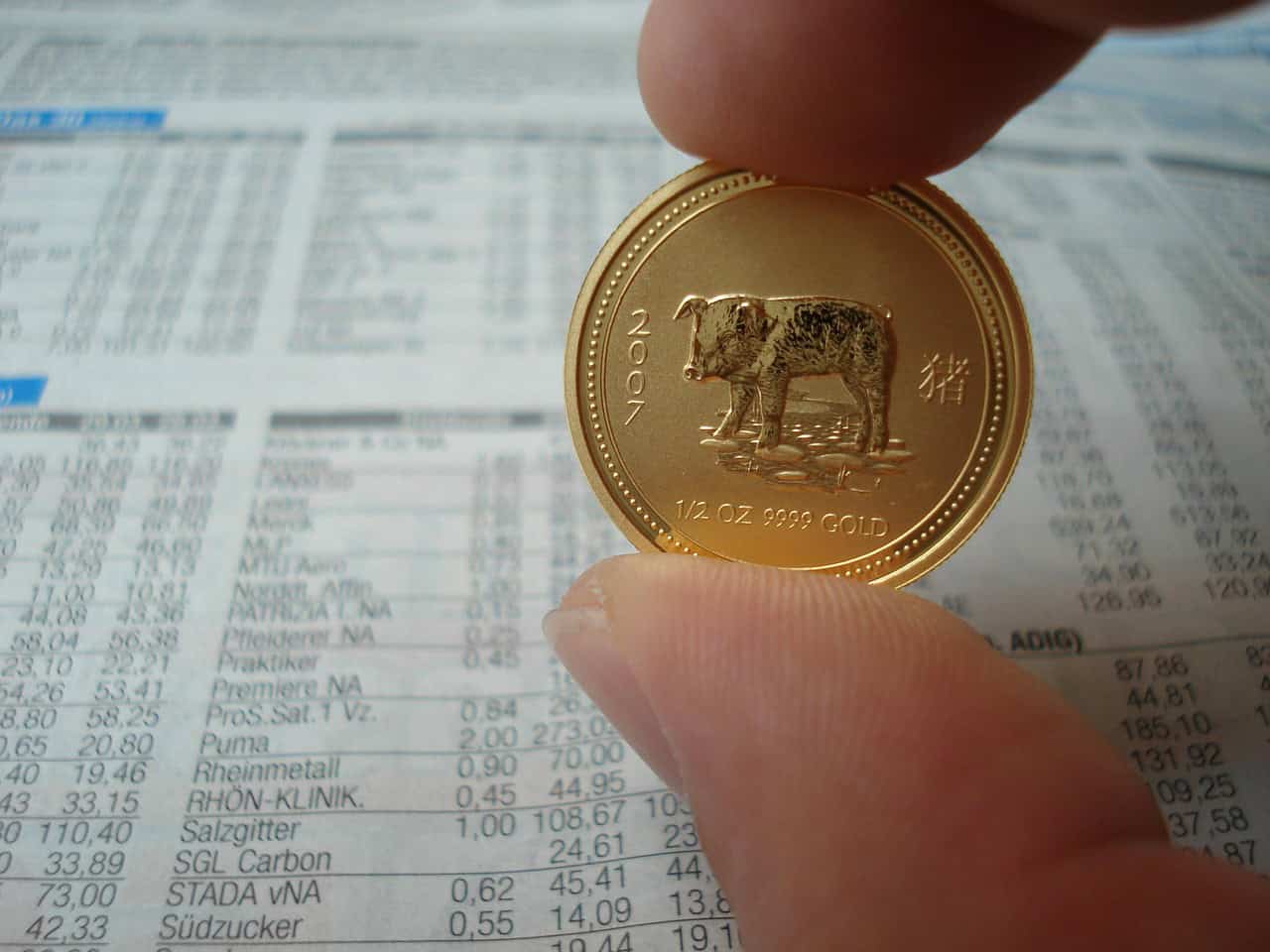
Looking back at historical data, gold has consistently shown resilience in the face of economic downturns. For instance, during the 2008 financial crisis, gold prices soared as investors sought safe havens.
Such historical patterns indicate that when confidence in traditional financial systems falters, gold often benefits.
By examining previous market reactions, one can infer that current economic conditions may lead to similar trends. History has shown that gold often acts as a buffer during financial turmoil, making it a reliable option for those looking to invest.
The Role of ETFs
Exchange-Traded Funds (ETFs) have made gold more accessible to retail investors. These funds allow individuals to invest in gold without having to physically hold it. As demand for gold ETFs rises, so does the potential for increased prices.
ETFs provide an easy way for investors to gain exposure to gold without the complexities of storage and security. This convenience has led to a surge in interest, boosting overall demand and, consequently, prices.
Market Sentiment and Speculation
Market sentiment plays a pivotal role in the fluctuation of gold prices. Speculators and traders often react to news events, driving prices up or down based on perceived value. When positive news about gold surfaces, such as increased demand or supply challenges, prices tend to rise.
Conversely, negative sentiment can cause volatility. Understanding the psychology of the market is key. Those who can read the trends and gauge sentiment may find opportunities to invest ahead of price surges.
Diversifying Investment Portfolios
Investing in gold can be a smart strategy for diversifying one’s portfolio. It often moves independently of stock markets and bonds, providing a hedge during market downturns. In uncertain times, allocating funds to gold can help mitigate risks associated with other investments.
Diversification is crucial for long-term financial health. By including various assets, such as gold, investors can better withstand market fluctuations. Gold serves as a stabilizing force, helping to balance potential losses from other investments.
Inflationary Pressures from Government Spending
Government spending policies can significantly impact inflation rates. Stimulus packages, while necessary during economic crises, can lead to inflationary pressures. Increased money supply without corresponding economic growth often results in rising prices.
As inflation rises, the value of cash diminishes. This scenario drives investors to seek refuge in gold, leading to increased demand. When government spending appears unchecked, it fuels further interest in gold as a protective measure.
The Psychological Appeal of Gold
Gold has a timeless allure. It represents wealth, status, and security. This psychological factor cannot be underestimated. The emotional connection individuals have with gold often drives purchasing decisions.
People view gold not only as an investment but also as a symbol of prosperity. This intrinsic value supports demand, even in uncertain economic conditions. The psychological appeal of gold can create a self-reinforcing cycle, pushing prices higher as more individuals seek to acquire it.
Future Projections
Looking ahead, many analysts predict that gold will continue to rise in value. Factors like inflation, geopolitical tensions, and supply constraints suggest a favorable environment for gold prices. The historical resilience of gold further supports these predictions.
While no investment is without risk, the current landscape presents a compelling case for gold. Those who pay attention to market trends and economic indicators may find opportunities to benefit from future price increases.