

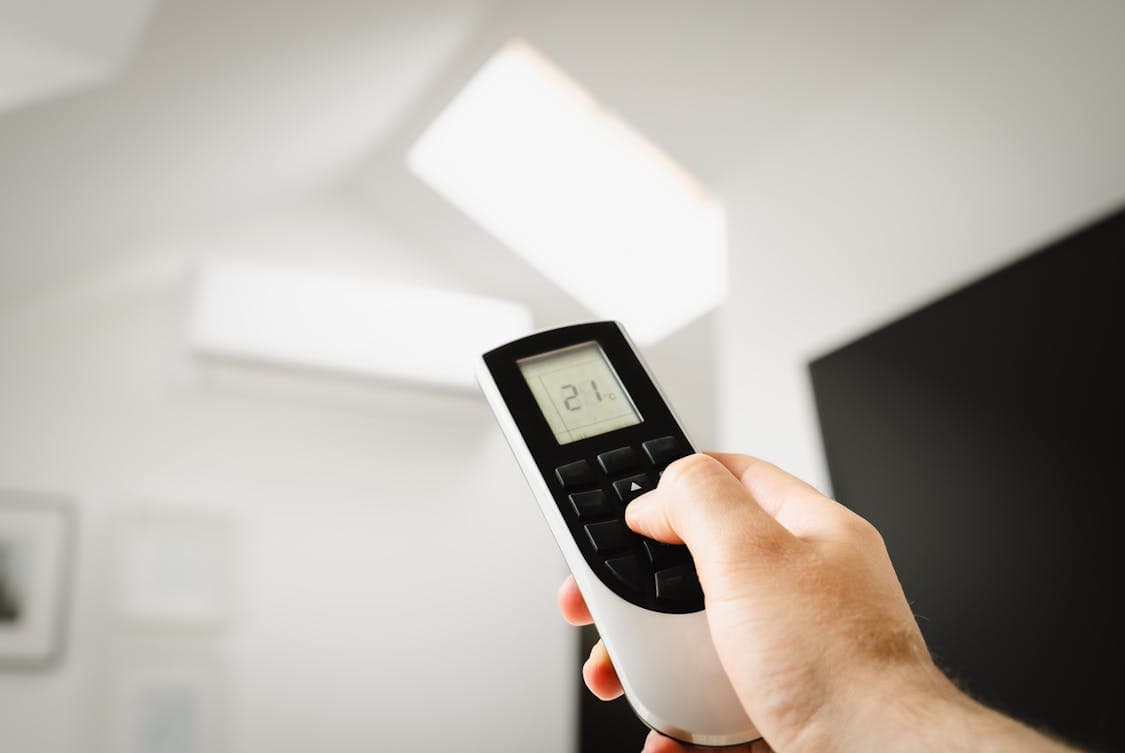
When summer hits, having a reliable cooling unit is essential. Yet, many homeowners find themselves questioning whether their system is powerful enough for their living space.
Is your cooling unit up to the task? Let’s break down how to evaluate if your cooling solution is too small for your home.
Understanding BTUs
BTUs, or British Thermal Units, measure the cooling capacity of an air conditioning unit. The higher the BTU rating, the larger the space it can effectively cool.
A unit that’s too small will struggle to maintain a comfortable temperature, while a larger one can be too powerful, leading to inefficiency. To find the right size, consider not just the square footage of your home, but also factors like ceiling height and insulation quality.
Assessing Your Space
Begin by measuring the area you want to cool. Calculate the square footage by multiplying the room’s length by its width. For homes that need precise and efficient solutions, air conditioning by Orzech offers systems tailored to your specific space and needs.
For instance, a 20-foot by 15-foot room measures 300 square feet. This number serves as a baseline for determining the correct BTU requirement for your cooling unit.
Factors Affecting Cooling Needs
- Ceiling Height: Standard calculations assume an 8-foot ceiling. If your ceilings are taller, the cooling needs increase.
- Sun Exposure: Rooms that receive a lot of sunlight require more cooling power. Think about window placement and the direction they face.
- Occupancy: More people generate more heat. If you regularly host guests, you might need extra capacity.
- Insulation Quality: Well-insulated homes retain cool air better. Poor insulation can lead to significant cooling losses.
Calculating BTUs Needed
To find out how many BTUs are necessary for your space, use a simple formula:
- For the first 500 square feet, allocate approximately 20 BTUs per square foot.
- For every additional 100 square feet, add 1,000 BTUs.
Using the previous example of a 300-square-foot room:
300 sq. ft. x 20 BTUs = 6,000 BTUs.
This number provides a basic guideline for sizing your cooling unit.
Signs Your Cooling Unit Is Too Small
Inconsistent temperatures and rising energy bills often signal an undersized cooling unit. Here are some clear indicators:
Ineffective Cooling
If certain areas in your home remain warm while others are comfortable, this could be a sign that your unit lacks sufficient power. You shouldn’t feel like you’re walking into a sauna after stepping outside.
Frequent Cycling
Cooling systems should run in cycles, maintaining consistent temperatures. If yours turns on and off rapidly, it’s likely struggling to meet the cooling demands of your home. This not only impacts your comfort but also increases wear and tear on the unit.
Uncomfortable Humidity Levels
Another telltale sign of an oversized or undersized unit is humidity control. An undersized cooling unit may fail to remove humidity efficiently, leaving you feeling sticky and uncomfortable.
Considering Your Unit’s Age
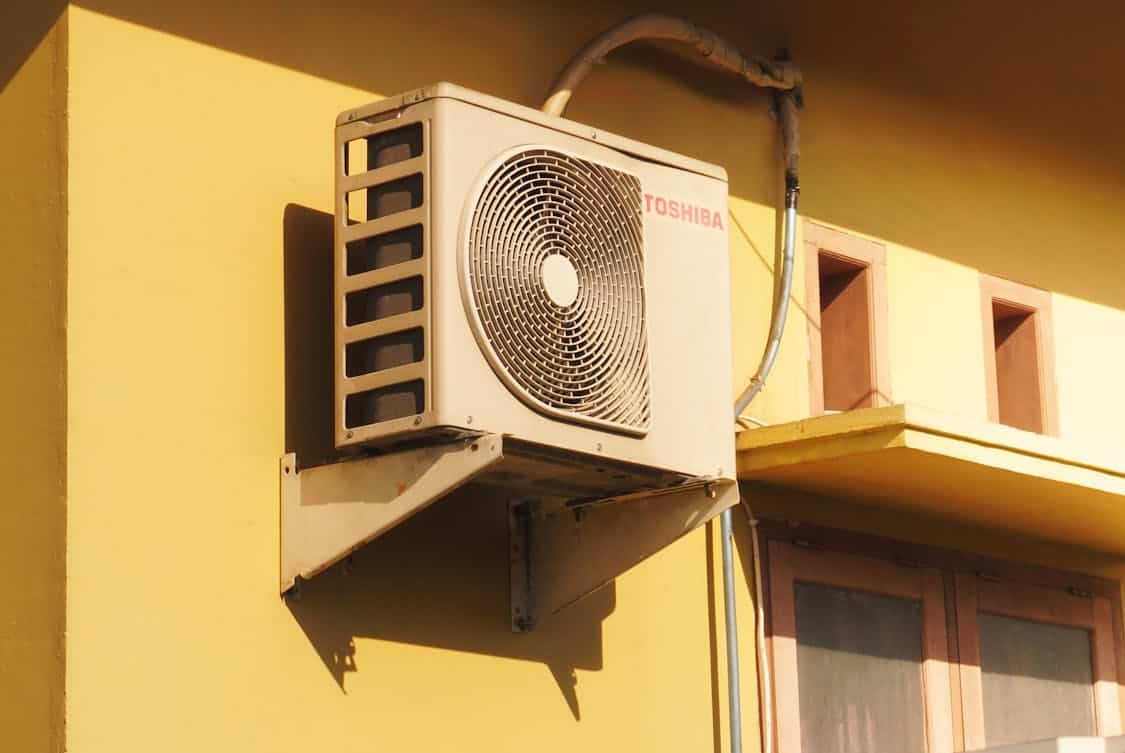
Older cooling units often lose efficiency over time. If your system is more than 10-15 years old, it might lack the power or efficiency of modern units.
Sometimes, upgrading to a more efficient unit can save you money in the long run, even if it means paying upfront costs to purchase a new system.
Additional Cooling Options
If you find your existing unit isn’t cutting it, you might want to consider options to boost cooling efficiency.
Supplementing with Fans
Ceiling or portable fans can help circulate cool air, making a room feel more comfortable without needing a larger unit. Fans work well in conjunction with air conditioning to lower perceived temperatures.
Zoning Systems
For larger homes, a zoning system divides your space into sections, allowing different areas to maintain separate temperatures. This can ensure that no part of your home feels too hot or too cold.
Insulation Upgrades
Improving your home’s insulation can significantly reduce the workload on your cooling unit. Look into sealing gaps around windows, doors, and ducts. Even adding insulation to your attic can lead to notable improvements.
Evaluating Energy Efficiency
Energy efficiency is another critical aspect of your cooling system. Even if your unit’s BTUs are adequate, it’s essential to assess its energy efficiency rating.
Look for the Seasonal Energy Efficiency Ratio (SEER) rating. A higher SEER indicates a more efficient unit, which can lead to lower energy bills over time.
Professional Assessment
Sometimes, the signs can be confusing. Hiring a professional HVAC technician for an evaluation can provide clarity. They can assess your system, examine your home’s characteristics, and offer tailored advice on whether your unit is indeed too small or if other issues are at play.
DIY Checks
While waiting for a professional assessment, you can conduct some DIY checks. Ensure that air filters are clean, and vents are unobstructed. A simple cleaning can improve airflow and system efficiency.
The Role of Maintenance
Routine maintenance plays a significant role in ensuring your cooling unit operates efficiently. Regularly replacing filters, cleaning coils, and scheduling annual check-ups can extend the life of your unit and maintain optimal performance.
An air conditioning system that is well-maintained often feels cooler and runs more efficiently.