

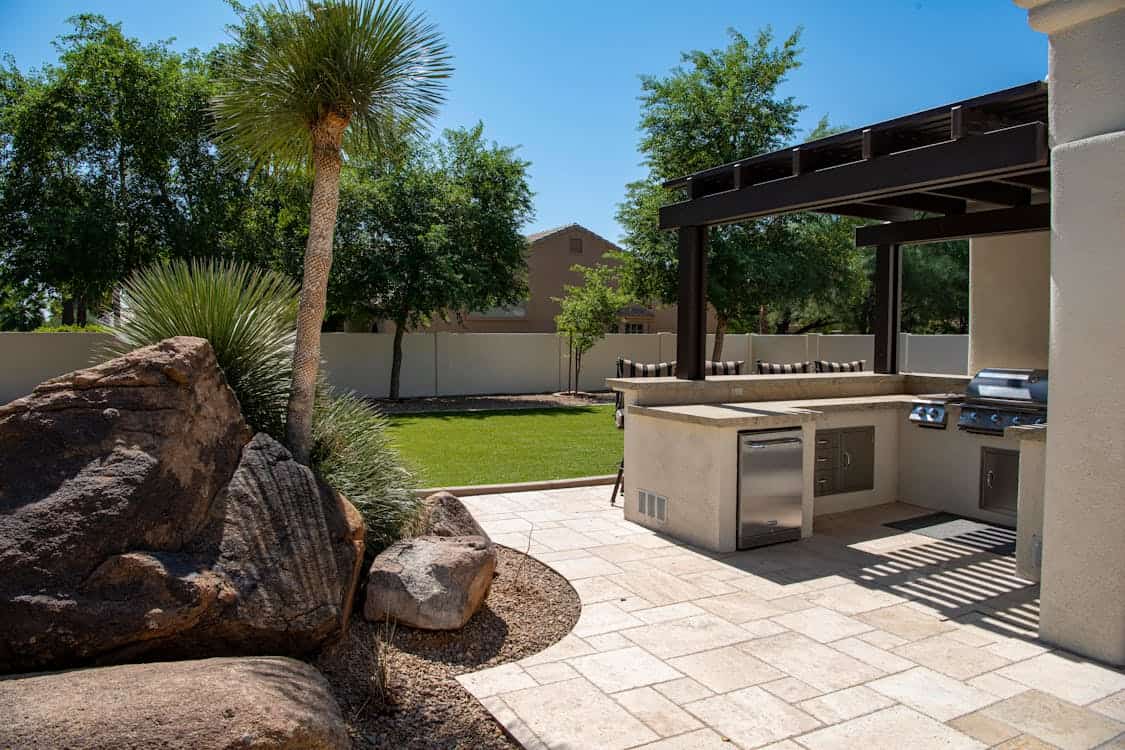
A well planned yard reduces time spent on upkeep while boosting curb appeal and usable outdoor space. Small choices in plant selection and layout can have a large impact on how often chores pop up.
A clear sketch combined with smart materials will keep chores short and the yard looking tidy all season long. Balancing effort and reward means you get to enjoy the outdoors more and work less.
Site Assessment And Goal Setting
Start by walking the property and noting where sun, shade, wind and water gather through the day and the year. Sketch a simple map that marks paved areas, utility lines, and any spots that flood or stay dry, and then list what you want from the yard such as play space, quiet seating, or a potting corner.
Prioritize those uses so that paths and plant beds are placed where they will serve people rather than become ornamental afterthoughts. With a clear idea of needs and constraints you will avoid wasted effort and recurring fixes.
Choose Native And Drought Tolerant Plants
Pick species that evolved locally because they often resist pests and cope with seasonal swings without fuss. Group plants with similar water and light tastes so irrigation and pruning can be done in tidy batches instead of one plant at a time.
A palette of two to three textures and a few repeating colors will read as cohesive while keeping maintenance chores straightforward. Healthy roots and the right neighbors will let plants settle in and require less babysitting.
Create Functional Zones
Divide the yard into areas with a clear purpose such as dining, play, utility and quiet retreat so each zone can be tailored to how it will be used. When considering landscape styles and designs for coastal properties, zoning becomes especially important to balance exposure to salt air, wind, and sun.
Hard surfaces for dining and walkways reduce the grass area and shrink mowing time while open beds and native meadow patches can be left to thrive with occasional trimming.
Borders and low fences help contain mulch and keep pets or kids from trampling plants where they are not welcome. Zoning gives the space structure and helps chores happen in organized bursts rather than a slow drip of small tasks.
Select Low Maintenance Ground Covers
Replace high maintenance turf in unused corners with ground covers that choke out weeds and lock in soil moisture. Perennial mats and clumping grasses provide green without weekly mowing and can tolerate a range of sun and shade exposures when chosen with care.
Use stepping stones or compacted gravel paths to guide traffic and protect the plants, making small repairs quick and rare. A well chosen ground cover will make a spot look finished and cut back time spent pulling weeds.
Use Hardscaping Wisely
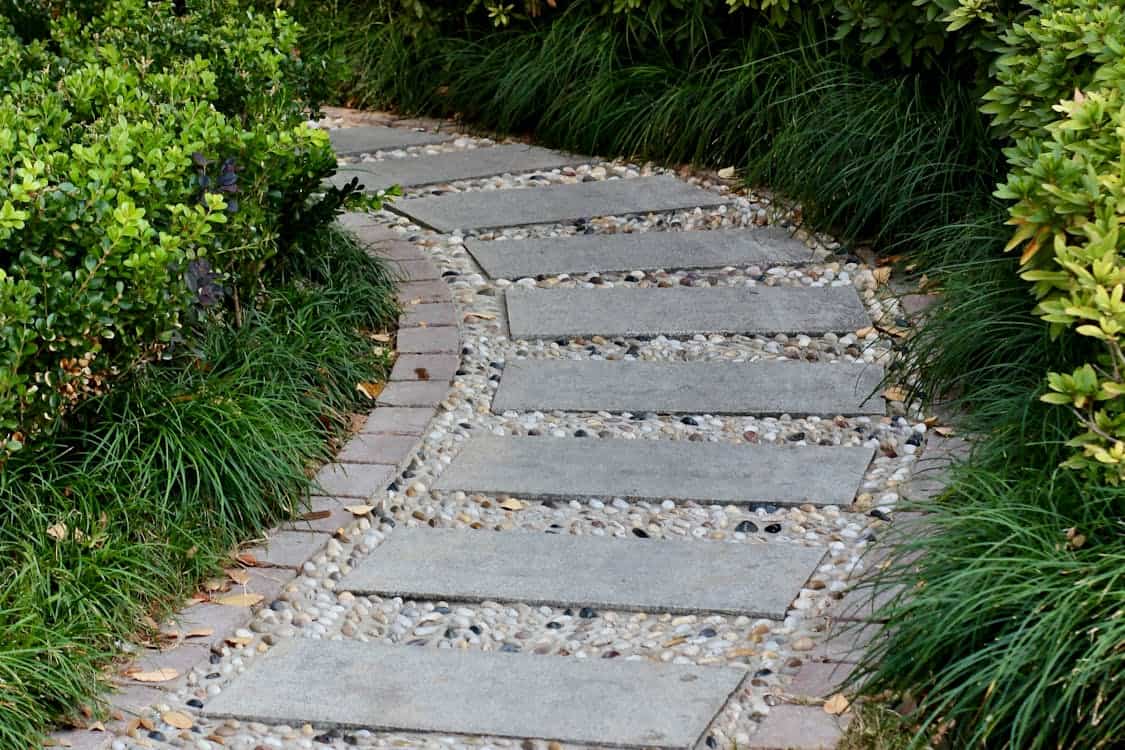
Hard elements such as pavers, retaining walls and raised beds cut down on plant care and create long lived structure that helps organize the yard. Choose permeable pavers or gravel where water run off matters, and keep planting pockets shallow near pathways to lower watering needs.
Built features also provide places to store tools and set planters so containers get watered in one go rather than across the yard. Thoughtful placement of these elements makes chores predictable and prevents work from piling up.
Plan Efficient Irrigation
Install a drip irrigation system or soaker hoses on separate zones to deliver water where it is needed without excess waste. Timers and simple controllers take the guesswork out of watering and make seasonal changes a matter of a single dial or app adjustment instead of daily decisions.
Mulch and proper soil preparation reduce the frequency of watering and help the system work less hard over time. A well tuned irrigation plan trims bills and frees up time for better things.
Mulch And Soil Management
A generous layer of organic mulch around plants keeps moisture stable, suppresses weeds and slowly feeds the soil as it breaks down. Test the soil once and then build it up with compost or slow release organic matter so plants need fewer nutrients added by hand.
Avoid overly rich soils in areas meant for low maintenance plants since that can encourage tender growth that demands trimming. A little initial effort in beds returns as fewer trips with a hoe and less frantic watering in dry spells.
Select Low Maintenance Trees And Shrubs
Pick trees and shrubs with slow to moderate growth habits that fit the space when mature so pruning is rare and predictable. Evergreens and native shrubs can be long lived anchors for beds, providing year round form without constant fuss.
Place larger species where roots will not disturb foundations or pipes and where falling debris hits paths rather than patios. The right big plants make small ones behave and keep the whole yard simpler to manage.
Maintenance Schedule And Smart Tool Choices
Make a short seasonal checklist with just the tasks that matter such as pruning in late winter, mulching in spring and a quick soil check in fall so chores are efficient and predictable. Invest in a few high quality tools that save time like a good pair of pruners and a reliable hose reel, and store them where they are handy.
Set aside a small window weekly for quick tidy up so debris never becomes a weekend long job. Sticking to a light rhythm of care keeps the yard healthy and life manageable.