

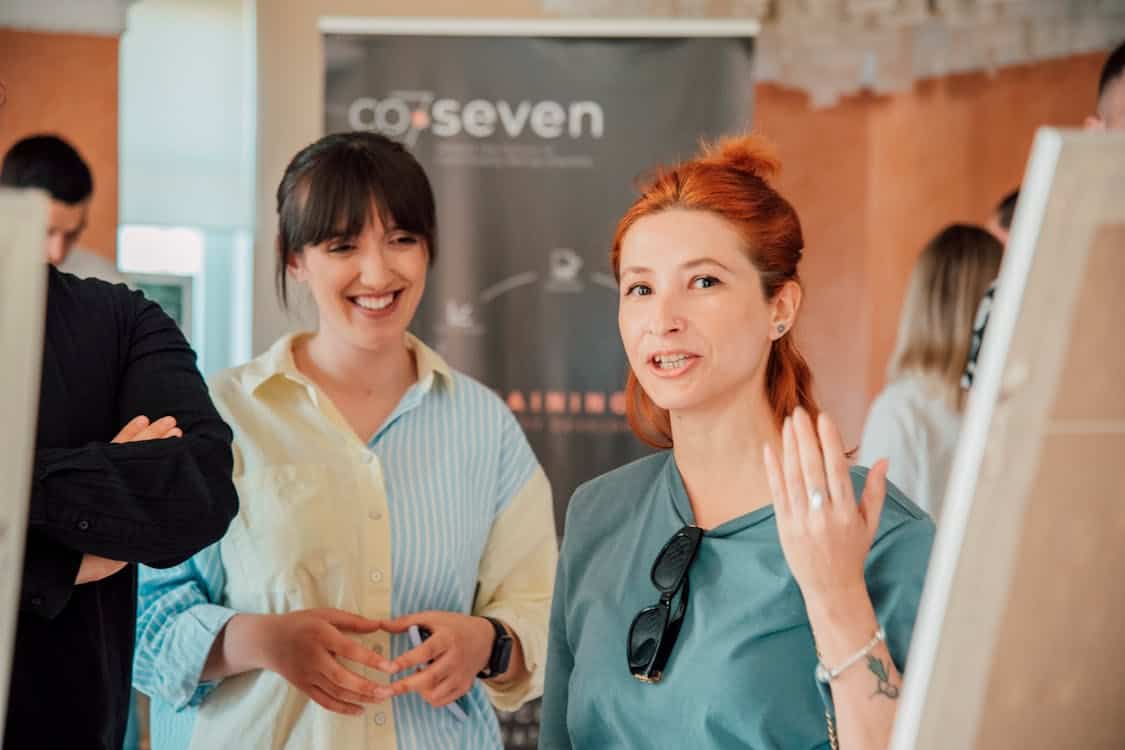
A strong on site activation can turn a crowd into a chorus of advocates and buyers where moments convert into measurable value. Planning with clear targets and a short list of what success looks like keeps teams aligned and budgets focused on what matters.
Good activations balance wow factor with useful interactions so attendees leave with something tangible and your brand leaves a clear impression. The key to achieving this balance lies in creating high-impact engagement that resonates with attendees on a personal level, leaving them eager to share their experience.
Strategic Planning Before The Doors Open
Begin by naming two or three concrete outcomes you want from the activation and use those targets to guide every choice from layout to staffing and the tools you will use to track progress.
Audience segmentation matters because a college crowd reacts to a different rhythm and tone than a trade audience making it smart to script alternative flows and short takeaways for each group.
Put simple key performance markers in place such as leads captured per hour or conversion rate per demo slot and check those numbers often so small course corrections become routine. Keep risk plans short and clear so teams can act fast when weather shifts or tech hiccups try to steal the show.
On Site Layout And Traffic Flow
A thoughtful layout reads like good signage for the eyes so every path points toward the activation core without confusing detours that drain energy and patience.
Place high draw elements near entry points but leave breathing room for small clusters to gather while still letting passers by see what is happening without stepping into the crowd.
Cue points and gentle visual prompts help move people along steady lines rather than clog the floor with a tangle of bodies waiting for attention. Test times in advance by running a quick rehearsal with staff moving through roles and timing how long typical interactions take so you can smooth bottlenecks before real guests arrive.
Staff Training And Role Clarity
Your on site team are the human face of the activation so train them on core messages and give them simple scripts that feel natural instead of stiff recitations that push people away. Practice role play that covers the most likely questions and a few curve balls so staff learn to think on their feet and keep a calm tone when the pace picks up.
Empower leads to make small decisions without chasing approvals so the experience stays swift and friendly when adjustments are needed on the fly. A short debrief at shift changes keeps momentum strong and lets fresh staff pick up current cues and any small fixes that help interactions flow.
Interactive Experiences And Demonstrations

Hands on moments win the day because they let people try before they buy and create memories that stick longer than a flyer ever will. Design quick demos that run in tight loops so lots of attendees can participate and feel the benefit rather than watch one long show that limits access.
Mix sensory highlights with clear takeaways so people leave knowing what the product or service does for them instead of just what it looks like. Timing is key so keep each segment brisk and leave room for a short chat or a quick sign up to capture interest while it is still fresh.
Technology For Data Capture And Measurement
Choose tech that helps you track critical signals without creating friction for attendees who are already juggling bags and schedules, and make opt in simple and fast.
Badge scans, short mobile forms and a QR code placed where people naturally pause can gather the needed details and feed a live dashboard so staff can see how the event is trending.
Use clear labels for each data field and brief training for entry staff so the quality of records stays high and follow ups do not hit dead ends. Protect privacy with transparent language at point of capture so guests feel safe sharing contact details and you keep a clean list for future outreach.
Brand Storytelling And Message Consistency
Tell a tight story that starts with a clear problem and shows how your offer solves that problem in a way that fits the moment and the crowd. Visuals, talking points and takeaway materials should all echo the same core line so people see the idea repeated in different ways and it begins to stick.
Train every team member to bring the story back to that key line so conversations reinforce rather than dilute your voice. Small, repeated phrases and consistent imagery act like friendly drum beats that help a message move from momentary attention to sustained recall.
Post Activation Follow Up And Measurement
Collect reactions and raw counts right after the event while memory is fresh so you capture what worked and what tripped up the flow, and label entries so follow up sequences match the lead type.
Build short email sequences that reference the on site moment with a clear next step that mirrors what people did at the activation so the ask feels natural and timely.
Compare captured conversion metrics to initial targets and split outcomes by channel and audience segment to see where future spend brings the most return. Run a brief team review with data in hand so learning becomes part of the next plan and small improvements can be put into action on the next run.