

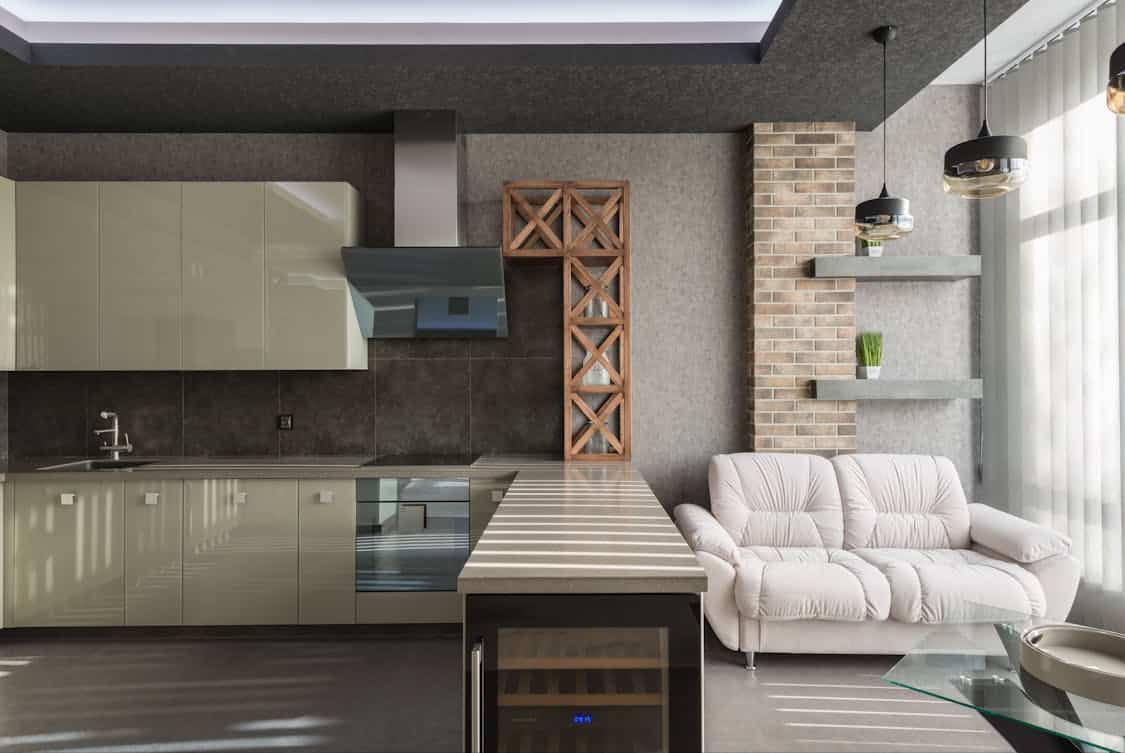
Epoxy floors have caught the eye of many homeowners and designers. They are not just a trend; they are a practical solution that aligns perfectly with the needs of contemporary open-plan homes.
This article explores why epoxy is becoming a go-to material in modern designs, shedding light on its benefits and versatility.
The Practicality of Epoxy Flooring
When you walk into an open-plan home, the flooring plays a critical role in setting the tone. Epoxy is known for its durability, making it an excellent choice.
It stands up well against heavy foot traffic, spills, and other everyday wear and tear. A single layer can last for years without needing a replacement, which is a real game changer for busy households.
In open spaces where different rooms blend into one another, having a uniform flooring solution creates a seamless look. Epoxy can cover large areas without the need for seams, giving a clean and cohesive feel to the entire space.
This is especially appealing for families that prefer an uncluttered aesthetic.
Aesthetic Appeal
Beyond practicality, epoxy contributes significantly to the overall aesthetic of a home. Available in an array of colors and finishes, it can complement any interior design style. Homeowners can choose glossy or matte finishes, solid colors, or intricate patterns that mimic natural materials like marble or wood.
These visual options mean that epoxy can match everything from a minimalist Scandinavian design to a vibrant, eclectic style. In open-plan settings, this adaptability is critical, as the flooring must harmonize with various design elements throughout the space.
Easy Maintenance
Keeping a home clean is essential, and an open-plan layout can sometimes complicate that task. Epoxy flooring offers a straightforward solution. Its smooth surface makes cleaning a breeze.
Dust, dirt, and spills can be wiped away with minimal effort. There’s no need for extensive scrubbing or special cleaning solutions.
For homeowners seeking low‑maintenance protective floor finishes, epoxy delivers both practicality and style in one seamless package.
Moreover, epoxy is resistant to stains and moisture. This means that spills in the kitchen or mud from the kids’ playtime can be managed quickly, leaving homeowners more time to enjoy their spaces rather than worrying about upkeep.
Cost-Effectiveness
Investing in home improvement can be a significant financial commitment, but epoxy flooring stands out when it comes to cost-effectiveness. While the initial installation may be higher than some traditional flooring options, the long lifespan and low maintenance costs make it a wise investment.
Homeowners appreciate that they won’t need to replace or refinish their floors frequently. This long-term savings combined with the aesthetics and functionality of epoxy makes it an appealing choice for many.
Versatility in Design
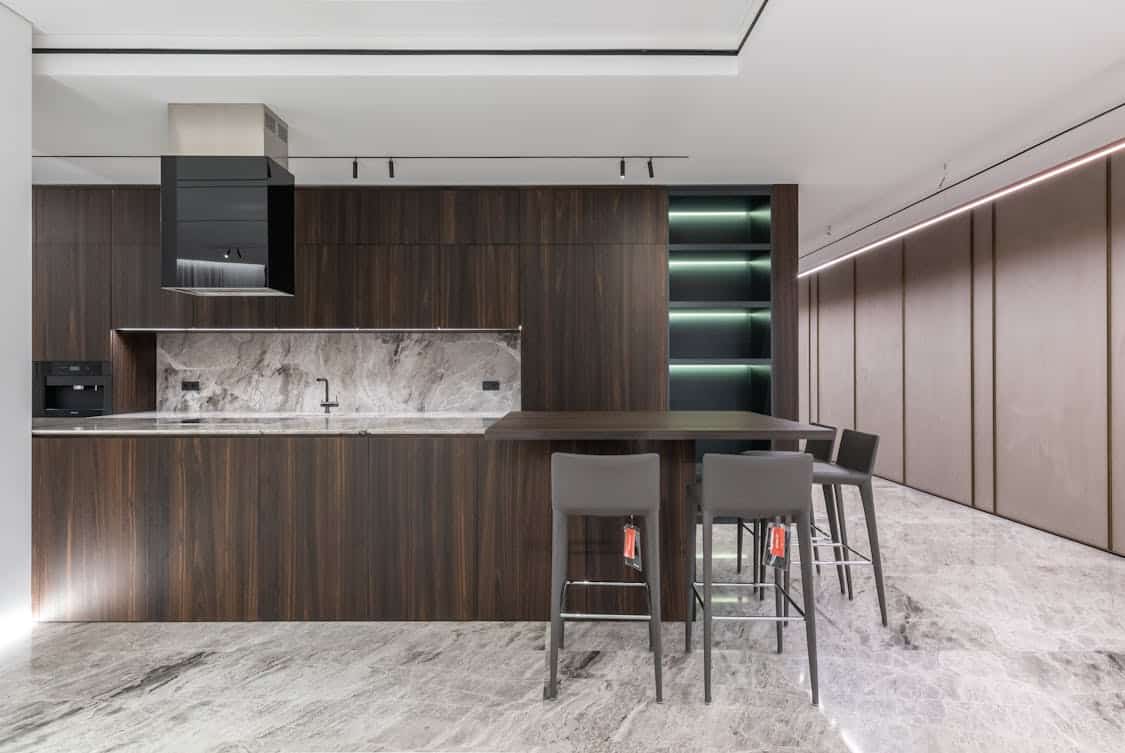
One of the key strengths of epoxy is its versatility. Whether a homeowner seeks a sleek, modern look or a rustic finish, epoxy can adapt. It can be poured to create unique shapes and designs, allowing for creative freedom in an open-plan layout.
Incorporating features like embedded materials—such as glitter, colored stones, or even logos—adds a personal touch. This flexibility lets homeowners express their style without significant renovations to the structure of their homes.
Eco-Friendliness
With increasing awareness of environmental issues, many homeowners are looking for sustainable materials. Epoxy resin can be a more eco-friendly option compared to other flooring materials.
Many epoxy products are low in volatile organic compounds (VOCs). This is a significant benefit for indoor air quality, especially in open spaces where airflow is vital.
Additionally, the longevity of epoxy flooring means less waste. Choosing materials that stand the test of time contributes to a more sustainable lifestyle, aligning with the values of many modern homeowners.
Safety Features
Safety is a priority in any home, particularly in spaces that see a lot of activity. Epoxy flooring can be designed to be slip-resistant, reducing the risk of accidents. This feature is especially beneficial in homes with children or elderly family members.
Moreover, epoxy flooring is non-porous, which means it doesn’t harbor bacteria or allergens. For families concerned about health, this can be a significant factor in choosing flooring materials.
Installation Process
While many flooring options require extensive preparation and installation time, epoxy can be installed relatively quickly.
Professional installers can often complete the job in a day or two, depending on the size of the area. This quick turnaround is a massive advantage for homeowners looking to minimize disruption in their lives.
Additionally, the curing time for epoxy is typically shorter than that for other flooring types. Once installed, homeowners can return to their space much sooner, allowing them to enjoy their beautiful new floors with minimal downtime.
Climate Considerations
The climate can affect the choice of flooring materials, and epoxy performs well in various conditions. It is resistant to extreme temperatures, and in homes with radiant heating, it works perfectly without compromising performance.
This resilience ensures that whether homeowners live in hot, humid areas or cold climates, epoxy flooring remains stable and functional year-round. It adapts to the environment, making it a smart choice for diverse geographical locations.
Integrating Technology
In modern homes, technology is becoming increasingly integrated into daily living. Epoxy flooring can support this trend through the use of smart home technology. For example, heated epoxy floors can be installed, providing warmth in colder months.
Moreover, some homeowners opt for luminous epoxy that can change colors or patterns, adding an element of fun and modernity to their spaces. This innovative approach to flooring can enhance the overall design and functionality of an open-plan home.
Creating Zones with Epoxy
Open-plan homes are about fluidity, but that doesn’t mean they can’t define different areas. Epoxy flooring can help create subtle distinctions between spaces. By using different colors or patterns, homeowners can delineate the kitchen from the dining or living areas without the use of walls.
This kind of zoning is particularly useful in small open spaces where a little organization can improve flow and functionality. It allows for a natural division while maintaining the open feel of a home.