

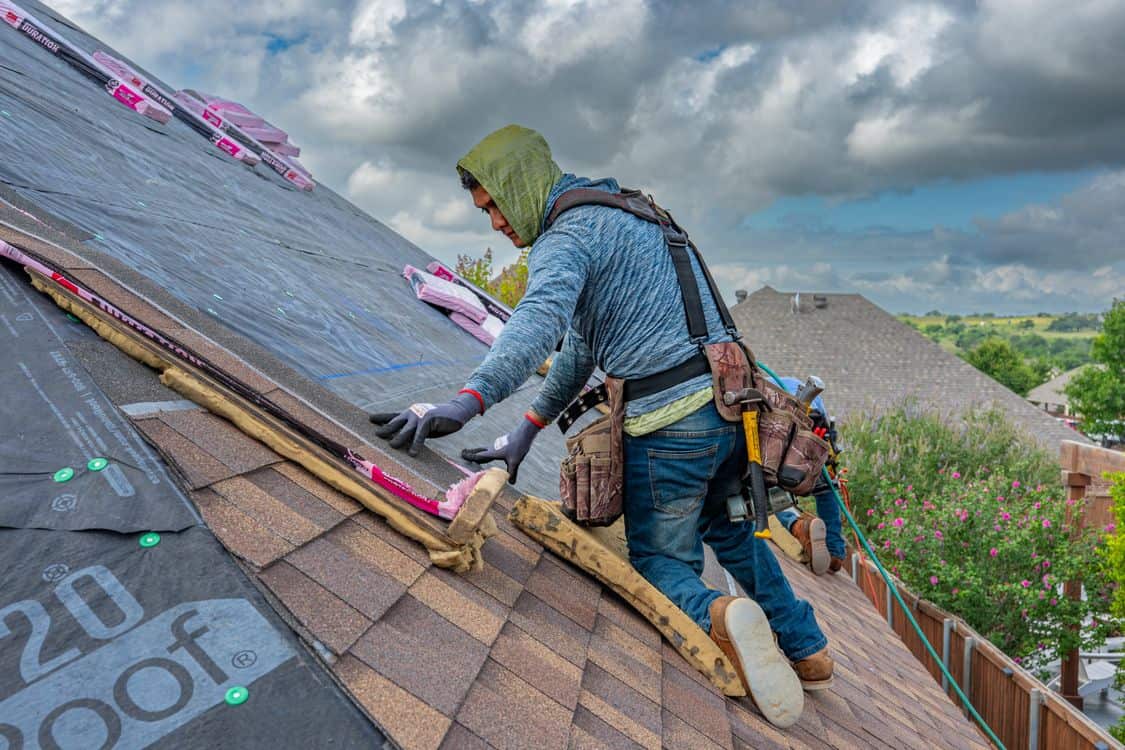
Many homeowners assume that if a storm damages their roof, insurance simply pays to replace it with a new one. Then the claim cheque comes back smaller than expected, and they meet a clause they never knew applied to them: depreciation based on the roof’s age.
It is one of the more common unpleasant surprises in home insurance, and it is entirely avoidable as a surprise, because the rules are knowable in advance. A homeowner who understands how roof claims are settled can plan around the clause instead of being blindsided by it.
How age-adjusted settlements work
Insurers increasingly settle roof claims based on the roof’s age, not just the cost of a brand-new replacement. Some begin limiting coverage or shifting to age-adjusted settlement as early as 10 years, applying depreciation to the roof’s value at the time of the claim rather than paying full replacement cost.
The practical effect is that an older roof may be paid out at a fraction of what a new one costs, leaving the homeowner to cover the gap out of pocket. A roof that felt fully insured turns out to have been insured on a sliding, depreciating scale that the homeowner never noticed until the claim.
Why material and age matter together
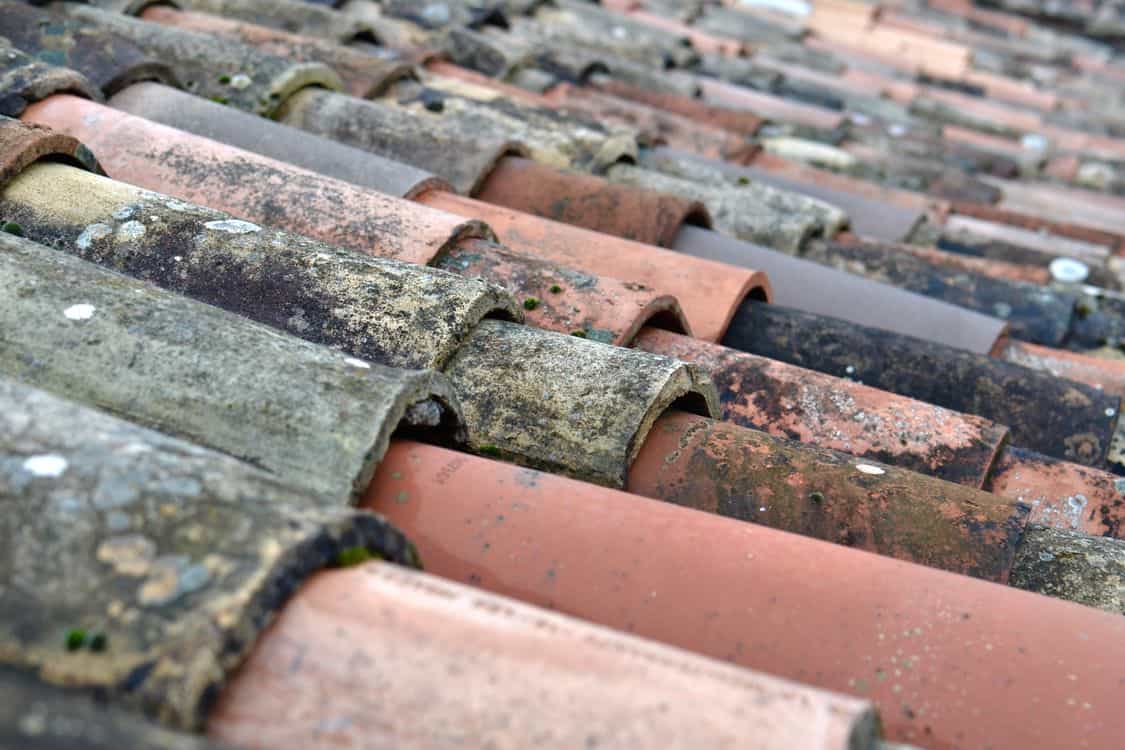
Not every roof depreciates on the same schedule in an insurer’s model. Asphalt shingles, with a shorter expected lifespan, tend to face stricter age guidelines and faster depreciation. Longer-lived materials like metal are often treated more generously, because the insurer expects them to keep performing for decades.
That makes the original material choice a quiet factor in how a future claim plays out, not just in how long the roof physically lasts. A homeowner weighing metal against asphalt is, without realizing it, also choosing how a hailstorm claim fifteen years from now is likely to be settled, which is the kind of trade-off an experienced installer can help think through.
What a homeowner can do about it
The defence is knowing where your roof stands before a claim, not after. A professional inspection and good records give a Mississauga homeowner the information to make their own decisions about repairing, replacing, or timing the work, and to understand how a claim would likely be settled given the roof’s age.
Documentation helps on the claims side too. Records of installation, maintenance, and any upgrades can support a smoother claim and a clearer conversation with an adjuster about the roof’s condition and remaining life.
Plan around the clause
Policies and depreciation rules vary considerably by insurer, and none of this is insurance advice, so the specifics depend on your own coverage. But the broad pattern, age-adjusted settlement that erodes a roof’s insured value over time, is common enough to plan around deliberately.
The homeowners who avoid the unpleasant surprise are the ones who treat their roof’s age as a financial fact worth tracking, understand how their policy handles older roofs, and time their replacement decisions with that knowledge in hand. A roof’s age is not just a maintenance number; it is a number the insurer is quietly counting too.