

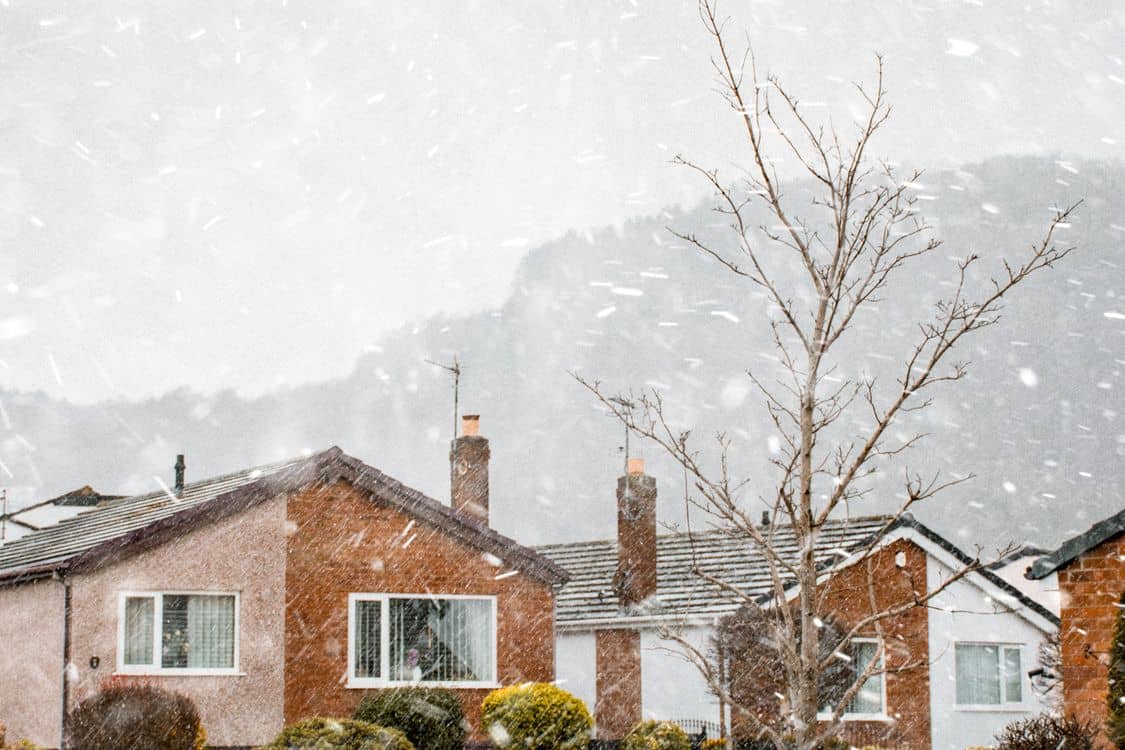
Anyone who lived north of Austin this spring knows the drill by heart. The sky goes green over Round Rock in the late afternoon, the phone screams a warning, and twenty minutes later the driveways are white. Georgetown and the surrounding stretch of Williamson County took the brunt of it more than once, and the sound of ice on shingles is not something residents up there forget quickly.
What makes these storms worth writing about is not that they happened. It is how routine they have become, and how badly the routine is understood by the people living underneath it.
A Storm Corridor That Keeps Coming Back
The I-35 corridor from Austin north to Georgetown is not unlucky. It sits in one of the most reliably hail-prone stretches of the country, where Gulf moisture meets dry air pushing down from the plains almost on schedule every March through May.
The record backs that up. Within ten miles of downtown Austin alone, spotters have logged well over a hundred separate hail events since 2004, and the largest stone on record measured four inches across, roughly the size of a grapefruit. April and May are the peak months by a wide margin.
Williamson County catches the same systems a little earlier and a little harder, because the storms are often still building as they cross it. That is why Round Rock, Cedar Park, and Georgetown show up again and again in the damage reports while central Austin sometimes escapes with a soaking.
Why the Damage Isn’t the Part You Can See

The cruel thing about hail is that the worst of it hides. A homeowner walks the yard, sees the dented gutters and the shredded leaves, and assumes the roof either survived or didn’t. Neither assumption is safe.
Hail bruises asphalt shingles by fracturing the mat underneath the surface granules. From the ground, and often from a ladder, that bruise looks like nothing. Two years later it becomes the soft spot where water finds its way in, and by then the storm that caused it is a distant memory to an insurance adjuster.
This is where a lot of Williamson County homeowners get into trouble. They wait to see a leak before calling one of the roofing companies austin relies on after a storm, and a leak is the last symptom to appear, not the first. A trained inspector can feel a fresh bruise with a fingertip while the shingle still looks perfect.
The Claim Window Is Shorter Than People Think
Texas gives property owners a two-year statute of limitations on most storm claims, which sounds generous until you understand how carriers treat delay. The longer the gap between the storm and the claim, the easier it becomes for an adjuster to argue the damage came from something else, or from a later event the policy handles differently.
Documentation is what closes that gap. Dated photos, a written inspection report, and a record of exactly which storm did what turn a vague complaint into a defensible claim. The homeowners who come out of a hail season whole are almost always the ones who booked an inspection within weeks, not the ones who waited for the ceiling to stain.
None of this requires panic. It requires treating a hail event as a scheduled part of living in Central Texas rather than a freak occurrence. The storms will keep crossing Williamson County on roughly the same calendar they always have. The roofs that hold up are the ones whose owners stopped being surprised by that.